Real-Time Distributed Chat System
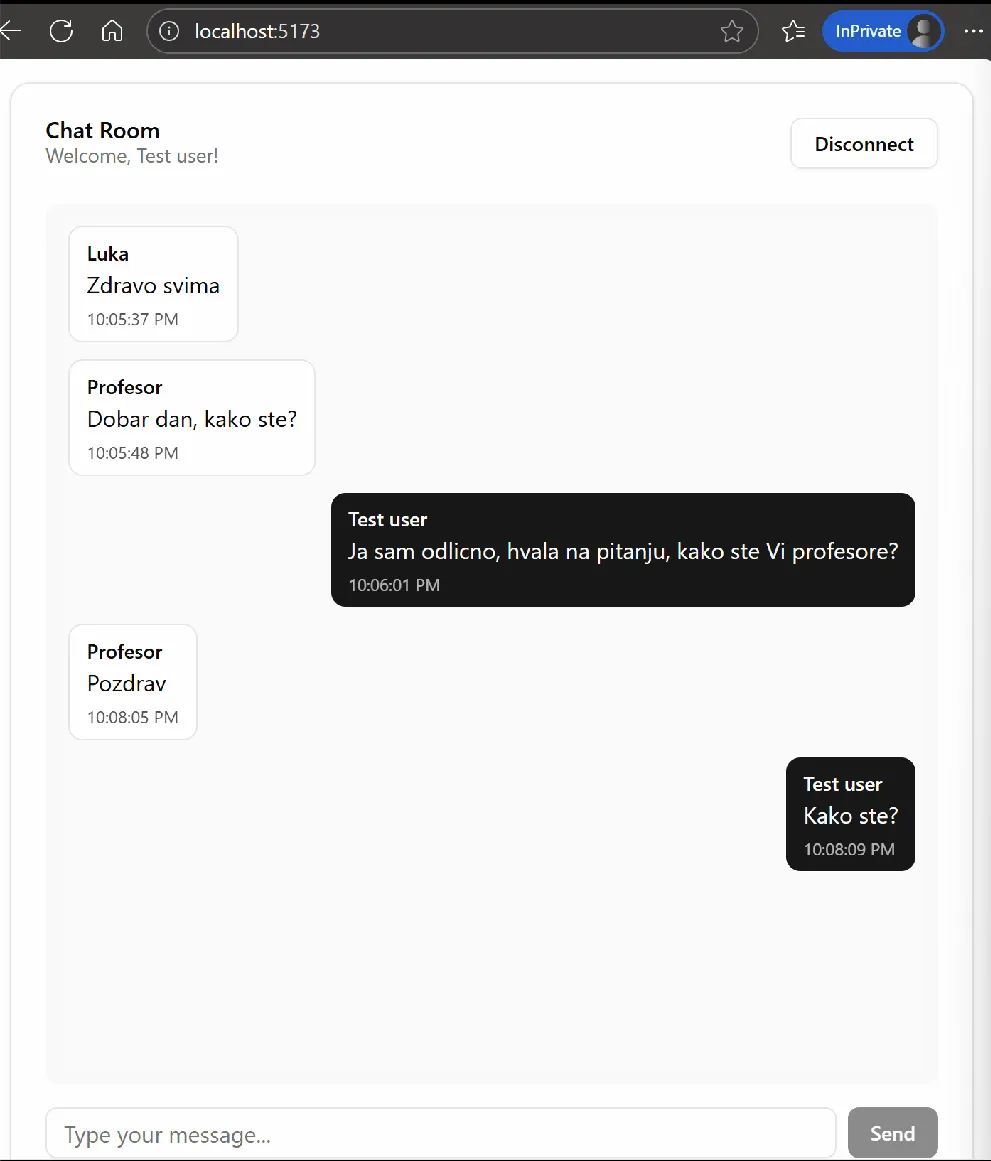
Built chat to learn what breaks when one server becomes many. Stack: Go, WebSocket, Redis, Docker.
Software Engineer
Full-stack engineer with a strong focus on Go and infrastructure. I write backend services and make sure they can be monitored, scaled and run reliably in production. I'm currently at Sporting Rock; my code lives on GitHub.
Most of what I build ends up in projects, and what I learn along the way ends up in writing. Based in Belgrade, open to remote, hybrid and on-site work.
Built chat to learn what breaks when one server becomes many. Stack: Go, WebSocket, Redis, Docker.
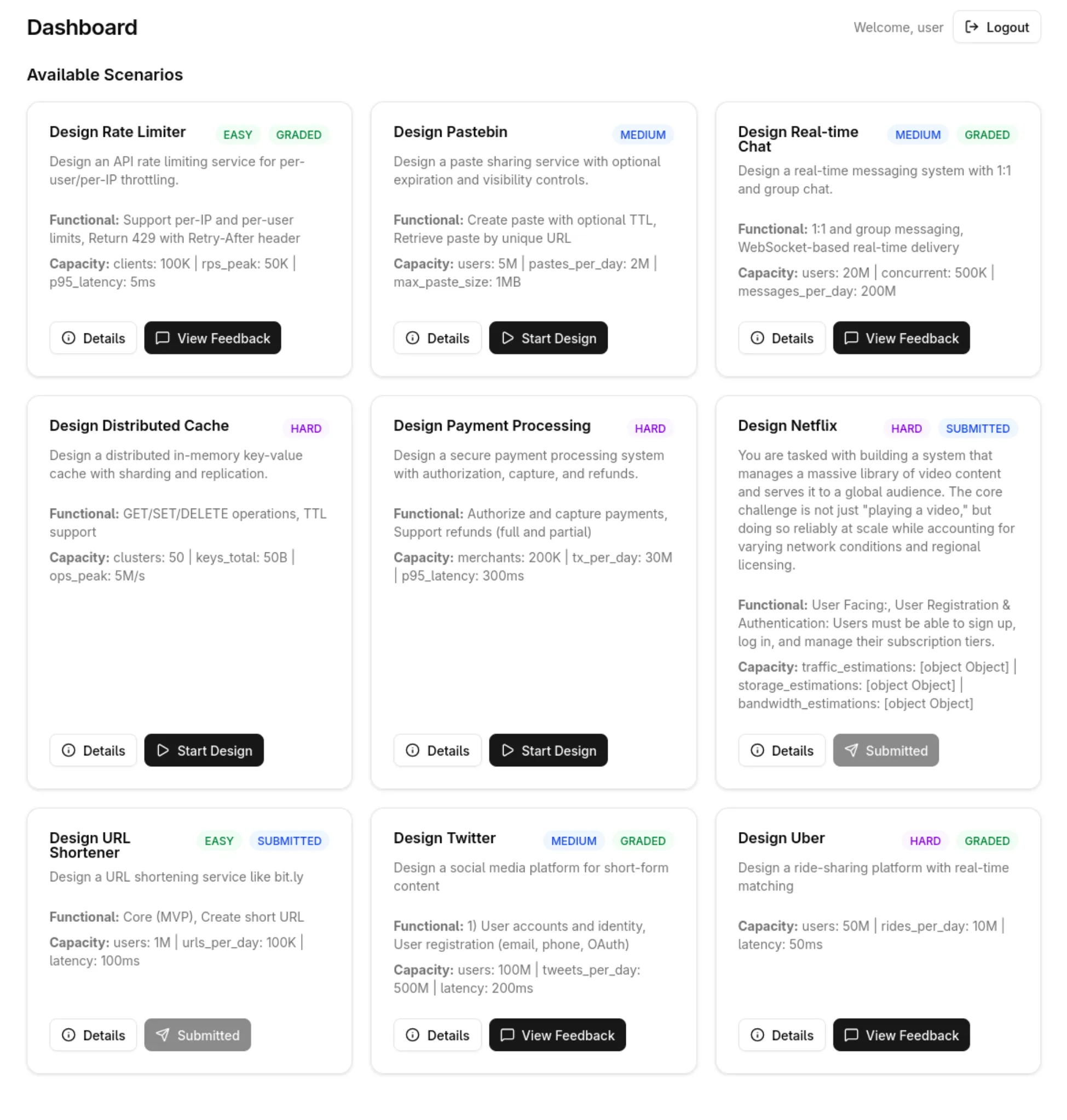
Built a place to practice system design with real review flow. Stack: Node.js, Express, SQLite, React, Excalidraw.
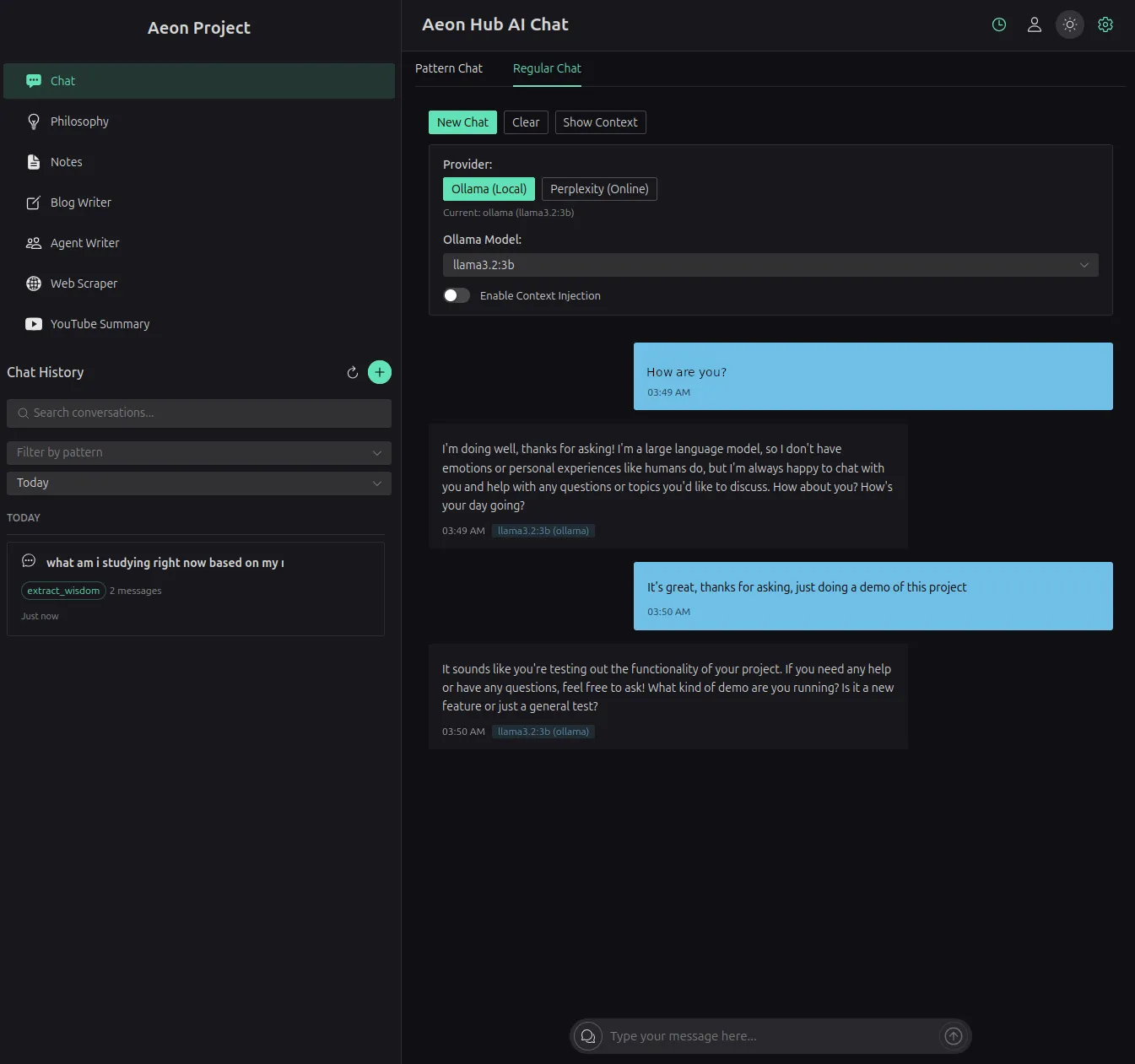
Built a private local AI assistant without sending work to cloud. Stack: FastAPI, ChromaDB, Ollama, Vue.
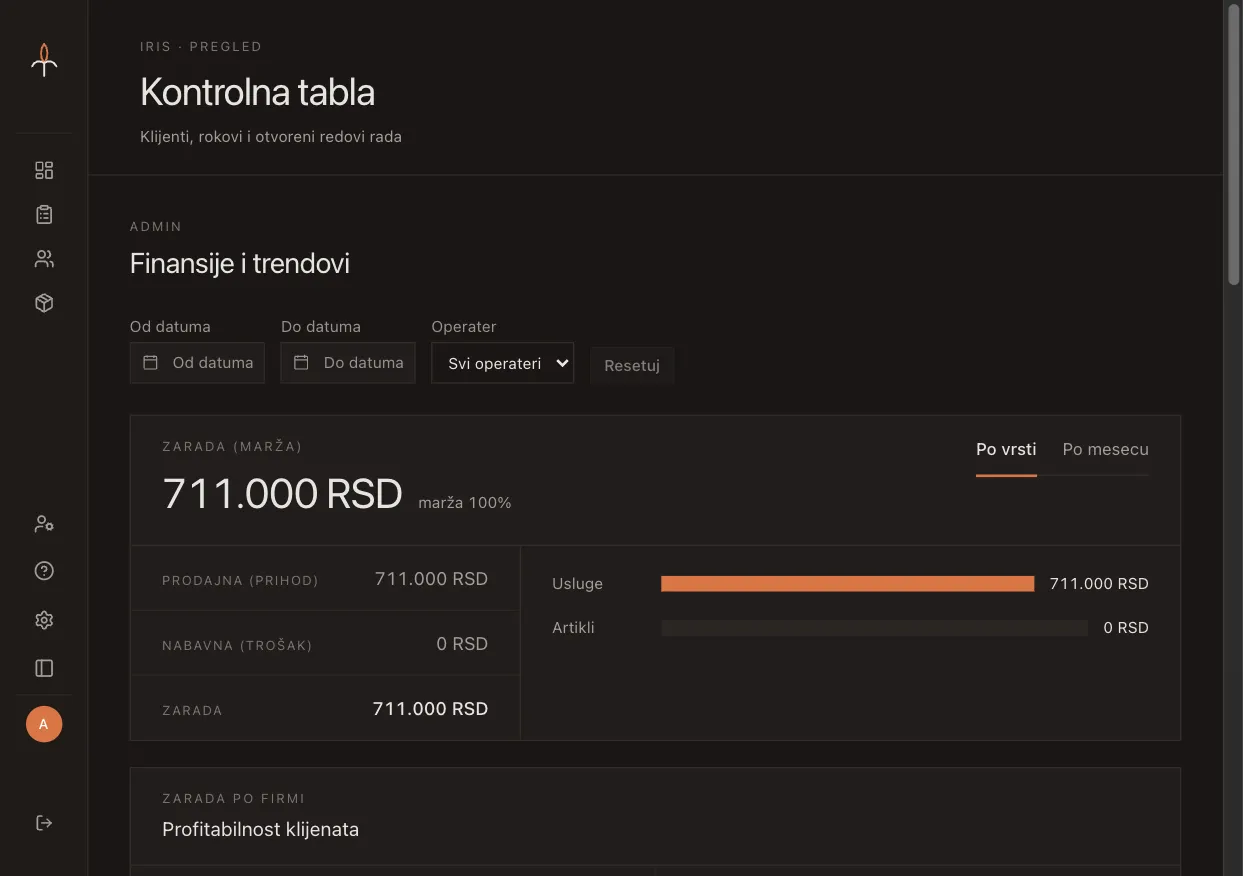
Built one place for print-shop work orders, people, and daily mess, with a React frontend backed by a Go API and SQLite.
Clear boundaries, local tests, and discoverable rules reduce the cost of every change.
Long-running agents need explicit boundaries, checkpoints, and proof of completion.
A short task contract cuts wasted context, wasted output, and review time.
Give the agent one small job at a time, and check each result before you ask for the next one.